
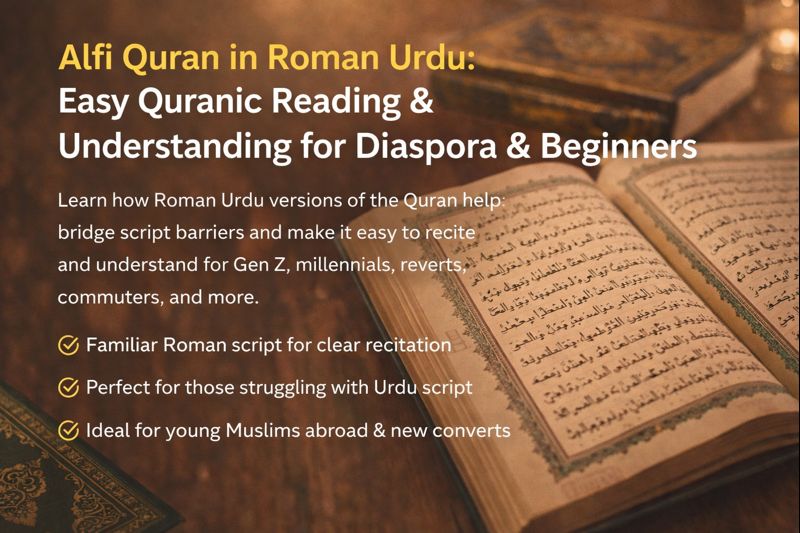
Struggling to read the Quran because Urdu script looks like a puzzle? You are not alone. Many young Muslims in the diaspora can speak Urdu perfectly but freeze when faced with Nastaliq writing. The words are familiar, but the letters feel foreign. It can make daily prayers or Quran study frustrating, even discouraging.
That’s where Alfi Quran in Roman Urdu comes in. By using the Roman script—the same letters you use for texting or emails—you can read the Quran comfortably while fully understanding its meaning. No more guessing words or relying on someone else to explain the text.
In this article, you will discover how Alfi Quran in Roman Urdu bridges the gap between recitation and comprehension. We’ll explore why it is perfect for Gen Z, millennials, reverts, commuters, and even children. You’ll learn how it solves common challenges like script barriers, robotic recitation, and feeling intimidated by traditional Urdu calligraphy.
Introduction – Why Roman Urdu is Transforming Quranic Reading
Amina, a 22-year-old student in London, speaks Urdu fluently at home. She can understand every word her grandmother says, but when it comes to reading the Quran in traditional Urdu script, she freezes. The beautiful Nastaliq letters feel like a code she hasn’t learned. She wants to connect spiritually, but the script barrier makes it hard.
This struggle is common among many young Muslims in the diaspora, new converts, commuters, and even children. The challenges include:
- Script Barrier: Fluent in Urdu but unable to read Nastaliq.
- Comprehension Gap: Reciting words without understanding their meaning.
- Intimidation Factor: Traditional calligraphy and complex Urdu can feel overwhelming.
- Digital Inefficiency: Small screens make reading standard Urdu difficult for mobile users.
The solution? Alfi Quran in Roman Urdu. By converting the text into the Roman alphabet, it allows readers to instantly recognize words, understand meanings, and recite with confidence. It bridges the gap between speaking Urdu and reading the Quran, making the spiritual experience personal and accessible.
For Gen Z, millennials, and digital natives, this modern approach means the Quran can be read anywhere—on a phone, tablet, or printed page—without the stress of decoding script. In fact, studies show that nearly 40% of South Asian Muslims abroad struggle with traditional Urdu script, making Roman Urdu a vital tool for spiritual connection and cultural continuity.
Understanding Alfi Quran in Roman Urdu
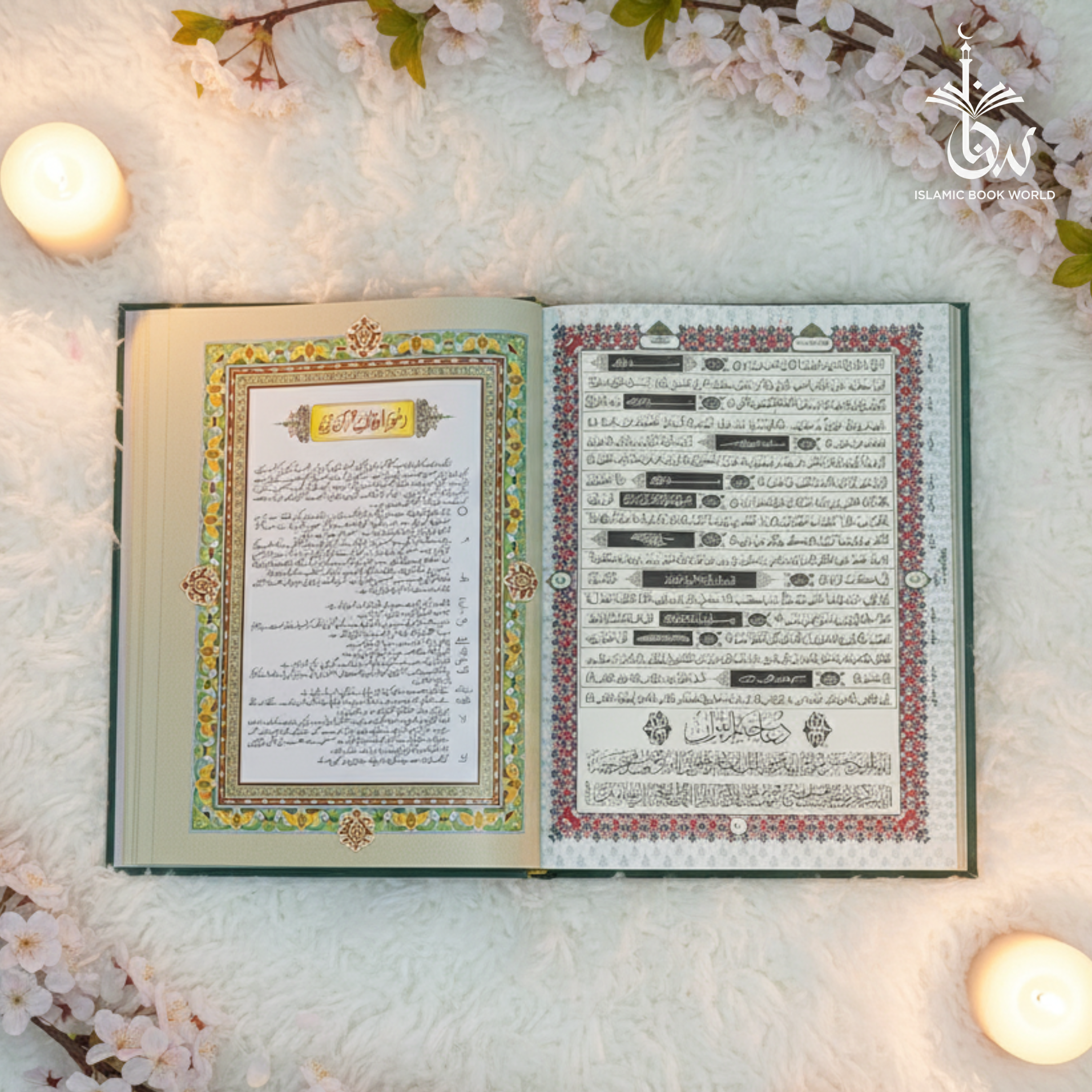
The Alfi Quran in Roman Urdu is a Quran translation that presents Urdu meanings using the Roman (English) alphabet instead of the traditional Nastaliq script. This means readers see familiar Urdu words—like rehmat, hidayat, and maghfirat—but written in a script they already use every day. It removes the biggest learning barrier without changing the language itself.
Unlike standard Urdu translations, which require the ability to read complex Nastaliq calligraphy, the Alfi Quran focuses on accessibility and clarity. Traditional Urdu Qurans are beautiful but can feel unreadable to those who grew up in English-medium schools. Roman Urdu, on the other hand, feels natural—almost like reading a WhatsApp message—making daily Quran reading less stressful and more consistent.
Using Roman Urdu also improves understanding and memorization. When readers instantly recognize words, the meaning “clicks” faster. This is especially helpful for those who already recite in Arabic but want to know what they are saying.
Key benefits of Alfi Quran in Roman Urdu include:
- Faster comprehension without learning a new script
- Better focus during recitation and reflection
- Easier memorization for kids and beginners
- Mobile-friendly reading for commuters
Who Can Benefit Most from Roman Urdu Quran?
The Roman Urdu Quran, especially the Alfi format, is not for a small niche. It speaks directly to real people facing real reading challenges today. Here’s who benefits the most.
Gen Z / Millennial Diaspora
Young Muslims in the UK, USA, Canada, and UAE often speak Urdu at home but never learned to read Nastaliq. This creates a quiet gap between faith and understanding. A Quran in Roman Urdu removes that script barrier and helps them reconnect spiritually—without losing their cultural identity. It lets them understand what they already recite and feel closer to their roots.
New Muslims (Reverts) with South Asian Ties
Many reverts learn Islam through Urdu-speaking families or communities. Traditional Urdu translations can feel complex and intimidating. Roman Urdu offers a softer entry point. It helps new Muslims follow family dars, understand common Islamic terms, and feel included rather than left behind.
Commuters and Digital Readers
Busy schedules leave little time for slow, difficult reading. Roman Urdu is easy on the eyes and perfect for small screens. Whether on a bus, lunch break, or short pause between meetings, readers can scan verses quickly and reflect without strain.
Children and Young Students
For kids, learning a new script alongside schoolwork can feel overwhelming. Roman Urdu allows parents to explain Quranic meanings using letters children already know. This builds understanding, confidence, and meaningful parent-child bonding.
Key Challenges Alfi Quran in Roman Urdu Solves
The Alfi Quran in Roman Urdu is designed around real-life struggles many readers face today. It doesn’t change the message of the Quran—it removes the obstacles that stop people from engaging with it.
Script Barrier – Fluency Without Literacy
Many people can fully understand spoken Urdu but cannot read the Nastaliq script at all. This gap creates frustration and distance from the Quran. Roman Urdu removes the need to learn a new alphabet, giving instant access to meanings using familiar letters.
“Parrot-like” Recitation – Meaning While Reciting
A common issue is reciting Arabic fluently without knowing what the words mean. This leads to robotic prayer. Roman Urdu translations allow readers to instantly recognize familiar Urdu words, helping the meaning “click” during recitation and turning routine prayer into reflection.
Intimidation Factor for Beginners
For new Muslims, kids, or casual readers, traditional Urdu Qurans can feel heavy and overwhelming. Dense calligraphy and formal language can create fear of “doing it wrong.” The Alfi Quran feels modern, clean, and digital-native—making learning feel safe and encouraging.
Loss of Cultural & Religious Identity
Parents in the diaspora worry their children are losing their connection to Urdu and Islamic heritage. Forcing script learning often leads to resistance. Roman Urdu offers a middle path—preserving Urdu meaning and Islamic values without the pressure of script mastery.
On-the-Go Reading Inefficiency
Reading complex Urdu script on a phone or moving bus is tiring. Roman text is designed for fast scanning and digital screens, making it ideal for busy lives.
What Alfi Quran in Roman Urdu enables:
- Faster understanding without long learning curves
- Deeper emotional connection during prayer
- Comfortable reading on mobile devices
- Confidence for beginners and young readers
Features of Alfi Quran in Roman Urdu
The Alfi Quran in Roman Urdu is built with clarity and ease in mind. Every feature focuses on helping readers understand the Quran, not just read it. Instead of long, heavy explanations, it guides you step by step in a simple and friendly way.
One of its strongest features is the word-to-word translation. Each Arabic word is paired with its Roman Urdu meaning, making it easier to follow along during recitation. This is especially helpful for daily prayers and commonly recited Surahs, where understanding even a few key words can deepen focus and intention.
Key features include:
- Clear Roman Urdu script that feels natural to read
- Word-to-word Quran meaning for better comprehension
- English transliteration for readers more comfortable with English
- Short tafseer summaries that explain verses in plain language
- Beginner-friendly tips for learning and memorization
The Alfi Quran also works well across different formats. Whether you prefer reading on your phone during a commute or studying from a printed copy at home, the layout stays clean and readable. Roman text reduces eye strain on small screens and keeps lines easy to scan.
How Alfi Quran Helps Diaspora & Beginners
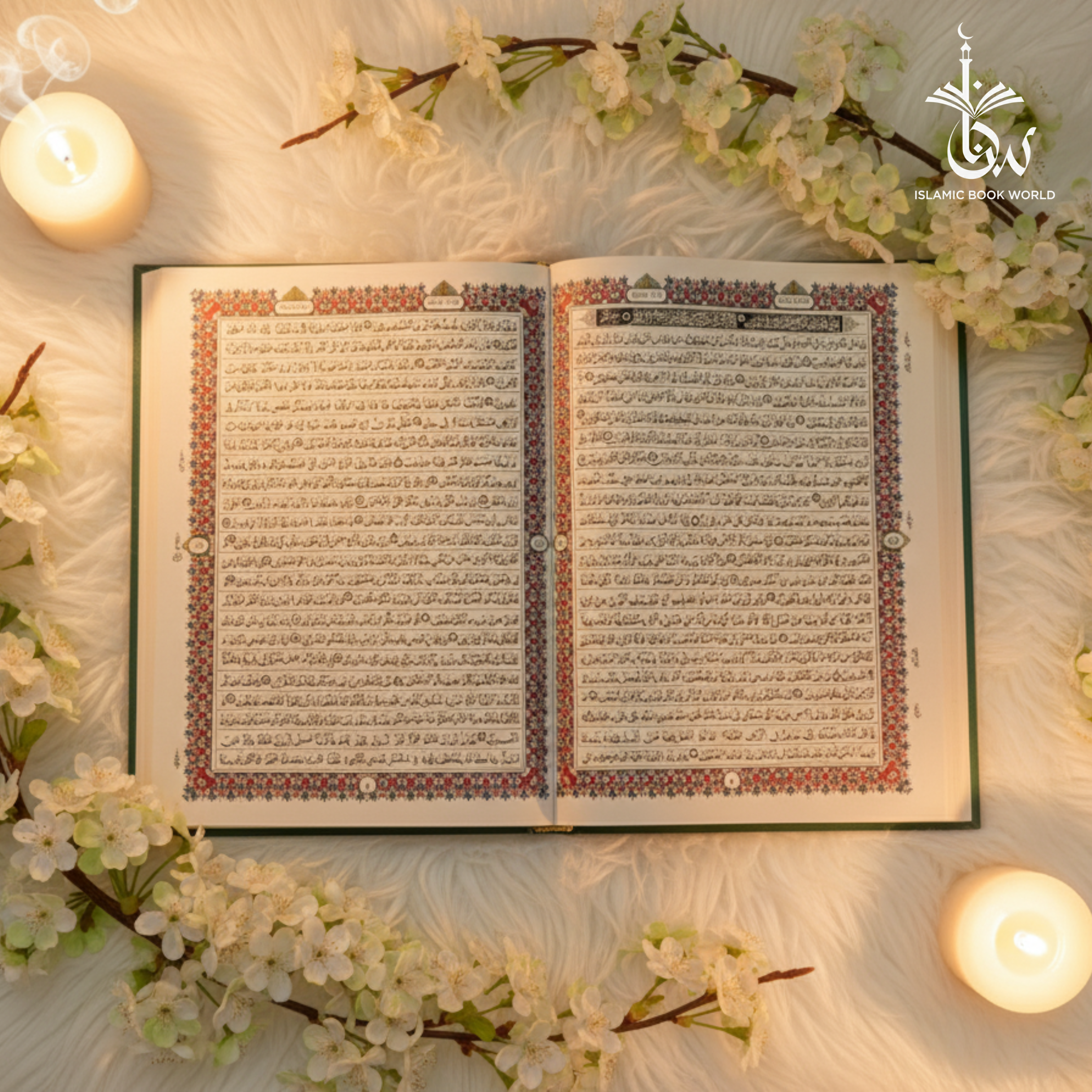
For many young Muslims living abroad, the Alfi Quran in Roman Urdu feels like the first time the Quran truly speaks their language. Take the example of a millennial professional in Canada who recites Surah Yaseen regularly but never fully understood it. With Roman Urdu meanings alongside the Arabic, familiar words suddenly make sense. Recitation turns into reflection, and reading becomes a daily habit instead of an occasional task.
New Muslims also find this format comforting. A revert married into a South Asian family may hear Urdu Islamic terms every day but struggle to follow along. Using the Alfi Quran, they can learn daily duas, common Surahs, and basic Quranic vocabulary without feeling overwhelmed or “out of place.” Roman Urdu creates a gentle learning path that builds confidence step by step.
Parents see a big difference too. Instead of forcing children to master a difficult script, they use Roman Urdu to explain meanings while kids memorize Arabic. This removes fear and pressure from learning and turns Quran time into a shared, positive experience.
How Alfi Quran supports real users:
- Helps diaspora Muslims understand what they already recite
- Gives reverts an easy entry into Urdu-based learning
- Allows parents to teach without intimidation or stress
Many families discover the Alfi Quran in Roman Urdu through Islamic Book World, a trusted source for accessible Islamic books designed for modern readers.
Comparing Alfi Quran in Roman Urdu with Other Formats
There are many ways to read and study the Quran, but not all formats work equally well for everyone. Each option has its strengths—and its limits.
Standard Urdu Quran translations are rich and detailed. They preserve classical language and deep scholarship. However, for many readers today, especially the diaspora and younger learners, the Nastaliq script is the biggest drawback. If you cannot read the script, the meaning stays locked, no matter how well you speak Urdu.
English transliteration Qurans help with Arabic pronunciation, but they often fall short for Urdu-speaking users. They focus on how the Arabic sounds, not what the words mean in a familiar language. Readers may recite better but still miss the emotional and cultural connection that Urdu provides.
The Alfi Quran in Roman Urdu sits right in the middle. It keeps the Urdu meaning intact while presenting it in a script readers already know. This allows users to recite, understand, and reflect at the same time—without switching between multiple books.
Quick comparison:
- Urdu script: deep meaning, hard to read
- English transliteration: easy to pronounce, limited understanding
- Alfi Quran: easy to read and easy to understand
Tips to Get Started with Alfi Quran in Roman Urdu
Starting with the Alfi Quran in Roman Urdu is simple when you keep your goals small and consistent. Begin with short Surahs you already recite in daily prayers. Read the Roman Urdu meaning first, then recite the Arabic. This helps the meaning settle in your heart before the words reach your tongue.
For beginners and kids, memorization works best in short sessions. Focus on a few verses at a time and repeat the Roman Urdu meaning out loud. When the words make sense, memorizing Arabic becomes easier and less stressful.
Helpful tips to stay consistent:
- Read 5–10 minutes daily instead of long sessions
- Pair Roman Urdu meaning with Arabic recitation
- Use mobile reading during short breaks
- Review one Surah each week
Many readers find reliable editions and beginner-friendly guides through Islamic Book World, making it easier to choose the right format for their needs.
Conclusion
The Alfi Quran in Roman Urdu removes the biggest barriers that stop people from connecting with the Quran. It makes reading easier, understanding clearer, and reflection more personal. By using a familiar script, it helps readers move beyond surface-level recitation and into real meaning.
Whether you are part of the diaspora, a new Muslim, a busy commuter, or a parent teaching your child, this format supports learning at your own pace. It blends tradition with modern reading habits and fits naturally into daily life.
FAQ Ideas (People-Also-Ask Style)
1. What is Alfi Quran in Roman Urdu?
Alfi Quran in Roman Urdu is a Quran translation where the Urdu meaning is written using the Roman (English) alphabet instead of the traditional Nastaliq script. It is designed for readers who understand spoken Urdu but cannot read Urdu script, making Quranic understanding easier and more accessible without changing the language itself.
2. How does Roman Urdu help in understanding the Quran?
Roman Urdu removes the script barrier. Readers instantly recognize familiar Urdu words written in letters they already use daily. This allows faster comprehension, better focus during recitation, and a clearer connection between Arabic verses and their meanings, especially for those educated in English-medium schools.
3. Can children learn the Quran faster with Roman Urdu?
Yes. Children often find Urdu script difficult and intimidating. Roman Urdu allows them to understand meanings using familiar letters while memorizing Arabic. This builds confidence, improves retention, and helps parents explain Quranic concepts without pressure, making learning more engaging and child-friendly.
4. Is Roman Urdu Quran suitable for new Muslims?
Roman Urdu Quran is highly suitable for new Muslims, especially those connected to Urdu-speaking families or communities. It provides a gentle learning path, avoids complex script, and helps reverts understand common Islamic terms, daily duas, and Surahs without feeling overwhelmed or excluded.
5. Where can I buy Alfi Quran in Roman Urdu online?
Alfi Quran in Roman Urdu is available through trusted Islamic bookstores that focus on accessible and modern Islamic learning materials. These platforms typically offer both print and mobile-friendly options, making it easier for readers in India and abroad to choose a format that fits their lifestyle.
6. How is Alfi Quran different from English transliteration Quran?
English transliteration focuses on how Arabic words are pronounced, not what they mean. Alfi Quran provides Urdu meanings in Roman script, helping readers understand the message, not just recite sounds. This makes it more effective for comprehension, reflection, and emotional connection during prayer.
7. Can I use Alfi Quran on my phone for daily reading?
Yes. Roman Urdu is highly readable on small screens. The Alfi Quran format is designed for quick scanning, minimal eye strain, and short reading sessions, making it ideal for commuters, professionals, and anyone who prefers reading on a smartphone or tablet.
8. Does Alfi Quran include word-to-word meanings?
Many Alfi Quran editions include word-to-word translation features. This allows readers to match each Arabic word with its Roman Urdu meaning, making it easier to follow recitation, improve vocabulary, and understand verses line by line, especially during daily prayers.